Surface finishing is not a labor-intensive procedure anymore It is now a process that is precision-driven. The quality of the coating has a direct influence on durability, corrosion resistance and how the product is perceived in today’s industrial environment. As standards worldwide tighten and customers expect flawless finish, many factories are turning to robotics for painting for more control and uniformity.
Modern paint machines offer programmable accuracy and structured motion to applications that previously relied on the technique of the operator. Manufacturers eliminate inconsistencies such as unbalanced film production or excess material consumption by automating paint path, speed and application angles. The result is a more predictable coating process that can provide better First Time Quality and reduced the need for rework.
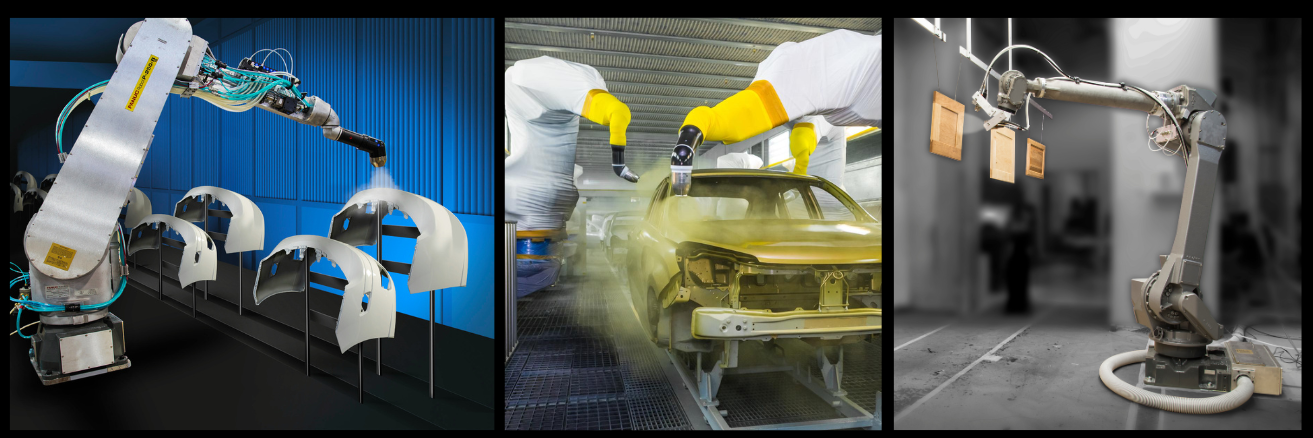
Image credit: automatedsolutions.com.au
Consistency and effectiveness are crucial to measurable results
Due to fatigue or small variations in technique, hand painting can cause variation in coverage and thickness. Paint robots eliminate that variation through repeating the same motion patterns during each production cycle. This repetition level ensures a uniform surface finish, and the best distribution of materials on every part.
Advanced paint systems that use robotics increase the efficiency of transfer. Overspray is minimized by maintaining a certain distance between the applicator, and the component. This allows more coating to reach the target surface. The less waste material directly affects costs, while reducing emissions of volatile organic compounds support green initiatives.
The integration of the handling of fluids into paint robotics assures accuracy in mixing ratios of multi-component coats. This reduces the chance of inconsistencies which could affect the integrity of finish. A flexible flow control, coupled with programmable parameter settings allow manufacturers to alter atomisation and spray patterns without disrupting production.
Productivity and safer working environments
The longer time between maintenance is a important benefit of an automated paint system. In contrast to manual processes, robotic paint cells run continuously and with very little interruption. After they are programmed the paint cells provide the same output without breaks or continuous monitoring.
It is crucial to think about safety in any facility that utilizes bi-component solvents or solvent-based coatings. Paint atomized may create hazardous conditions, particularly when working with materials that can be flammable or reactant. Modern paint robots are created to ensure safety even in the most challenging environments. They reduce risk of exposure for workers to hazardous chemicals and boost safety in workplaces.
The conveyor tracking technology boosts productivity further through the automated painting of the components while they are moving. This technology expands the working space and keeps production lines running efficiently.
Australian Automation Expertise Supporting Industry
Access to automation partners with experience is crucial for businesses that are looking to modernize their finishing processes. Automated Solutions in Australia has an established reputation for offering modern robotic integration services. With extensive knowledge in automation engineering, the team works as certified FANUC robot integrators, helping businesses implement tailored robotic paint solutions that align with their operational goals.
Through the combination of technical know-how and actual industry experience, Automated Solutions assists manufacturers in evaluating their processes and in designing optimized robotic paint cells. Through collaboration in planning, simulation, and system integration, facilities gain a clear understanding of expected performance gains prior to the installation.
Paint robotics is more than simply automation. It’s about improving safety, quality and effectiveness. A well-engineered system for painting transforms the process of finishing surfaces into a precise consistent, cost-effective, and repeatable operation. Manufacturers can increase their competitiveness by partnering with experts in automation that have the expertise to help their companies achieve success over the long term in an industry that is becoming more demanding.